Buy semino.eu ?
We are moving the project
semino.eu .
Are you interested in purchasing the domain
semino.eu ?
domain@kv-gmbh.de · 0541-91531010
Buy semino.eu ?
What kind of prickly plant is this?
The plant in the image appears to be a cactus, known for its thick, fleshy stems and prickly spines. Cacti are well-adapted to arid environments and are often found in desert regions. They come in a variety of shapes and sizes, with some producing colorful flowers. Cacti are popular as houseplants due to their low maintenance and unique appearance. **
Do prickly pears have thorns?
Yes, prickly pears do have thorns. The thorns are actually modified leaves, and they are found on the pads of the cactus. These thorns can be quite sharp and can cause irritation if they come into contact with the skin. It is important to handle prickly pears with care to avoid getting pricked by the thorns. **


Similar search terms for Prickly-Stem-Set-Of
Top-Angebote
Products related to Prickly-Stem-Set-Of:
-
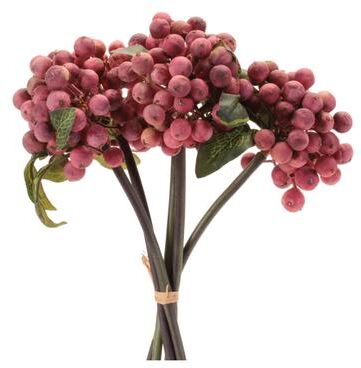
Melrose International Berry Stem Bundle (Set of 4)Add a pop of color to your space with this Berry Stem Bundle, featuring soft red and pink berry tones complemented by leafy accents. Bundled with raffia string for a rustic, natural touch, these stems are perfect for a variety of displays.56,49 $*Shipping: 0,00 $Secure redirect to the provider
-
Melrose International Protea Floral Stem (Set of 2)Add a touch of exotic elegance to your space with this Protea Floral Stem Set. Featuring soft pink protea blooms and rich green foliage, these realistic stems bring a bold, botanical look to any arrangement.32,99 $*Shipping: 0,00 $Secure redirect to the provider
-
Melrose International Dahlia Flower Stem (Set of 6)Elevate your floral displays with the timeless elegance of this set of 6 White Dahlia Flower Stems. Each stem features soft white and ivory blooms accented by delicate foliage and buds, capturing the beauty of fresh dahlias in everlasting form.35,49 $*Shipping: 0,00 $Secure redirect to the provider


-
What are the differences between embryonic stem cells, omnipotent stem cells, adult stem cells, totipotent stem cells, and multipotent stem cells?
Embryonic stem cells are derived from embryos and have the potential to develop into any type of cell in the body. Omnipotent stem cells, also known as pluripotent stem cells, are similar to embryonic stem cells in that they can differentiate into any type of cell, but they are derived from adult tissues. Adult stem cells are found in various tissues and have the ability to differentiate into a limited range of cell types. Totipotent stem cells have the highest potential for differentiation and can develop into any type of cell, as well as into extraembryonic tissues such as the placenta. Multipotent stem cells can differentiate into a limited number of cell types, typically within a specific tissue or organ. **
-
What about the cucumbers being prickly?
Cucumbers have small prickly bumps on their skin, which are actually tiny spines called trichomes. These trichomes can cause irritation or discomfort when touched, so some people prefer to peel the cucumber before eating it. However, the prickly skin is completely safe to eat and does not affect the taste or nutritional value of the cucumber. Some varieties of cucumbers have smoother skin, so if you prefer to avoid the prickly texture, you can look for those types at the grocery store. **
-
What do you do during a student internship in landscaping and gardening (gardening and landscaping/gardening)?
During a student internship in landscaping and gardening, you would typically assist with various tasks such as planting, weeding, watering, and pruning plants. You may also help with landscape design, installation of hardscape features, and maintenance of outdoor spaces. Additionally, you may have the opportunity to learn about soil preparation, pest control, and proper use of gardening tools and equipment. Overall, the internship provides hands-on experience in all aspects of landscaping and gardening, allowing you to gain valuable skills and knowledge in the field. **
-
Doesn't the prickly pear cactus bear fruit?
Yes, the prickly pear cactus does bear fruit. The fruit of the prickly pear cactus is commonly known as a prickly pear or tuna. It is a sweet and juicy fruit that comes in various colors, such as red, purple, and yellow. The fruit is often used in culinary dishes and can be eaten raw or used to make jams, jellies, and beverages. **


How many calories do prickly pears have?
Prickly pears are low in calories, with one medium-sized prickly pear containing approximately 60-80 calories. They are a good source of fiber, vitamin C, and antioxidants, making them a healthy and nutritious snack option. **
When does a prickly pear cactus bloom?
A prickly pear cactus typically blooms in the spring or early summer, usually between April and June. The exact timing of the blooming season can vary depending on the specific species of prickly pear cactus and the climate of the region where it is growing. The cactus produces vibrant and colorful flowers that attract pollinators such as bees and butterflies. **
Top-Angebote
Products related to Prickly-Stem-Set-Of:
-
Prickly Stem, Set Of Six - Grandin RoadSix sprays with 7 blooms each . Designed to bring fullness and unique color within arrangements . Stems wired and bendable to shape and style your best look . For indoor use only . Imported. Your happiness is our priority, from quality of...109,00 $*Shipping: 19,95 $Secure redirect to the provider
-
Intricate Stem, Set Of Six - Grandin RoadSet of six botanical stems featuring white leaves . Crafted from EVA foam for a unique touch and visual . Each branch over 3 ft. long . Stems and leafy elements wired and bendable to shape and style your best look . For indoor use only . WARNING: ....159,00 $*Shipping: 24,95 $Secure redirect to the provider
-
Melrose International Berry Stem Bundle (Set of 4)Add a pop of color to your space with this Berry Stem Bundle, featuring soft red and pink berry tones complemented by leafy accents. Bundled with raffia string for a rustic, natural touch, these stems are perfect for a variety of displays.56,49 $*Shipping: 0,00 $Secure redirect to the provider
-
Melrose International Protea Floral Stem (Set of 2)Add a touch of exotic elegance to your space with this Protea Floral Stem Set. Featuring soft pink protea blooms and rich green foliage, these realistic stems bring a bold, botanical look to any arrangement.32,99 $*Shipping: 0,00 $Secure redirect to the provider
-
What kind of prickly plant is this?
The plant in the image appears to be a cactus, known for its thick, fleshy stems and prickly spines. Cacti are well-adapted to arid environments and are often found in desert regions. They come in a variety of shapes and sizes, with some producing colorful flowers. Cacti are popular as houseplants due to their low maintenance and unique appearance. **
-
Do prickly pears have thorns?
Yes, prickly pears do have thorns. The thorns are actually modified leaves, and they are found on the pads of the cactus. These thorns can be quite sharp and can cause irritation if they come into contact with the skin. It is important to handle prickly pears with care to avoid getting pricked by the thorns. **
-
What are the differences between embryonic stem cells, omnipotent stem cells, adult stem cells, totipotent stem cells, and multipotent stem cells?
Embryonic stem cells are derived from embryos and have the potential to develop into any type of cell in the body. Omnipotent stem cells, also known as pluripotent stem cells, are similar to embryonic stem cells in that they can differentiate into any type of cell, but they are derived from adult tissues. Adult stem cells are found in various tissues and have the ability to differentiate into a limited range of cell types. Totipotent stem cells have the highest potential for differentiation and can develop into any type of cell, as well as into extraembryonic tissues such as the placenta. Multipotent stem cells can differentiate into a limited number of cell types, typically within a specific tissue or organ. **
-
What about the cucumbers being prickly?
Cucumbers have small prickly bumps on their skin, which are actually tiny spines called trichomes. These trichomes can cause irritation or discomfort when touched, so some people prefer to peel the cucumber before eating it. However, the prickly skin is completely safe to eat and does not affect the taste or nutritional value of the cucumber. Some varieties of cucumbers have smoother skin, so if you prefer to avoid the prickly texture, you can look for those types at the grocery store. **
Similar search terms for Prickly-Stem-Set-Of
-
Melrose International Dahlia Flower Stem (Set of 6)Elevate your floral displays with the timeless elegance of this set of 6 White Dahlia Flower Stems. Each stem features soft white and ivory blooms accented by delicate foliage and buds, capturing the beauty of fresh dahlias in everlasting form.35,49 $*Shipping: 0,00 $Secure redirect to the provider
-
Melrose International Protea Floral Stem (Set of 2)Bring a fresh, natural touch to your décor with this Protea Floral Stem Set. Featuring soft green and white protea florals with lush foliage accents, each stem adds subtle texture and color to any space.32,99 $*Shipping: 0,00 $Secure redirect to the provider
-
What do you do during a student internship in landscaping and gardening (gardening and landscaping/gardening)?
During a student internship in landscaping and gardening, you would typically assist with various tasks such as planting, weeding, watering, and pruning plants. You may also help with landscape design, installation of hardscape features, and maintenance of outdoor spaces. Additionally, you may have the opportunity to learn about soil preparation, pest control, and proper use of gardening tools and equipment. Overall, the internship provides hands-on experience in all aspects of landscaping and gardening, allowing you to gain valuable skills and knowledge in the field. **
-
Doesn't the prickly pear cactus bear fruit?
Yes, the prickly pear cactus does bear fruit. The fruit of the prickly pear cactus is commonly known as a prickly pear or tuna. It is a sweet and juicy fruit that comes in various colors, such as red, purple, and yellow. The fruit is often used in culinary dishes and can be eaten raw or used to make jams, jellies, and beverages. **
-
How many calories do prickly pears have?
Prickly pears are low in calories, with one medium-sized prickly pear containing approximately 60-80 calories. They are a good source of fiber, vitamin C, and antioxidants, making them a healthy and nutritious snack option. **
-
When does a prickly pear cactus bloom?
A prickly pear cactus typically blooms in the spring or early summer, usually between April and June. The exact timing of the blooming season can vary depending on the specific species of prickly pear cactus and the climate of the region where it is growing. The cactus produces vibrant and colorful flowers that attract pollinators such as bees and butterflies. **
* All prices are inclusive of VAT and, if applicable, plus shipping costs. The offer information is based on the details provided by the respective shop and is updated through automated processes. Real-time updates do not occur, so deviations can occur in individual cases. ** Note: Parts of this content were created by AI.