Buy semino.eu ?
We are moving the project
semino.eu .
Are you interested in purchasing the domain
semino.eu ?
domain@kv-gmbh.de · 0541-91531010
Buy semino.eu ?
How are the nerve cells structured in invertebrates?
In invertebrates, nerve cells are organized into a network called a nerve net. This nerve net consists of interconnected neurons that are spread throughout the body. These neurons are typically simpler in structure compared to the more specialized nerve cells found in vertebrates. The nerve net allows for rapid communication and coordination of responses to stimuli in invertebrates. **
What is the difference between vertebrates and invertebrates?
The main difference between vertebrates and invertebrates is the presence of a backbone. Vertebrates have a backbone made of vertebrae that protects the spinal cord, while invertebrates do not have a backbone. Vertebrates include animals such as mammals, birds, reptiles, amphibians, and fish, while invertebrates include animals such as insects, spiders, worms, and mollusks. Additionally, vertebrates tend to have more complex body systems and are generally larger in size compared to invertebrates. **
Similar search terms for Invertebrates
Top-Angebote
Products related to Invertebrates:
-
Ravensburger Gardening 100pc PuzzleUnleash your creativity and enjoy a delightful challenge with the Ravensburger Gardening 100pc Puzzle. This beautifully illustrated puzzle features a vibrant garden scene, perfect for gardening enthusiasts and puzzle lovers alike. Designed for both relaxation and entertainment, this collectible puzzle comes in a sturdy boxed edition. Ravensburger, a renowned brand for high-quality puzzles, has crafted this engaging 100-piece puzzle. The lush gardening scene brings nature indoors, providing a charming image to piece together. This puzzle is ideal for those looking to enhance their focus and concentration.11,22 £*Shipping: 3,95 £Secure redirect to the provider
-
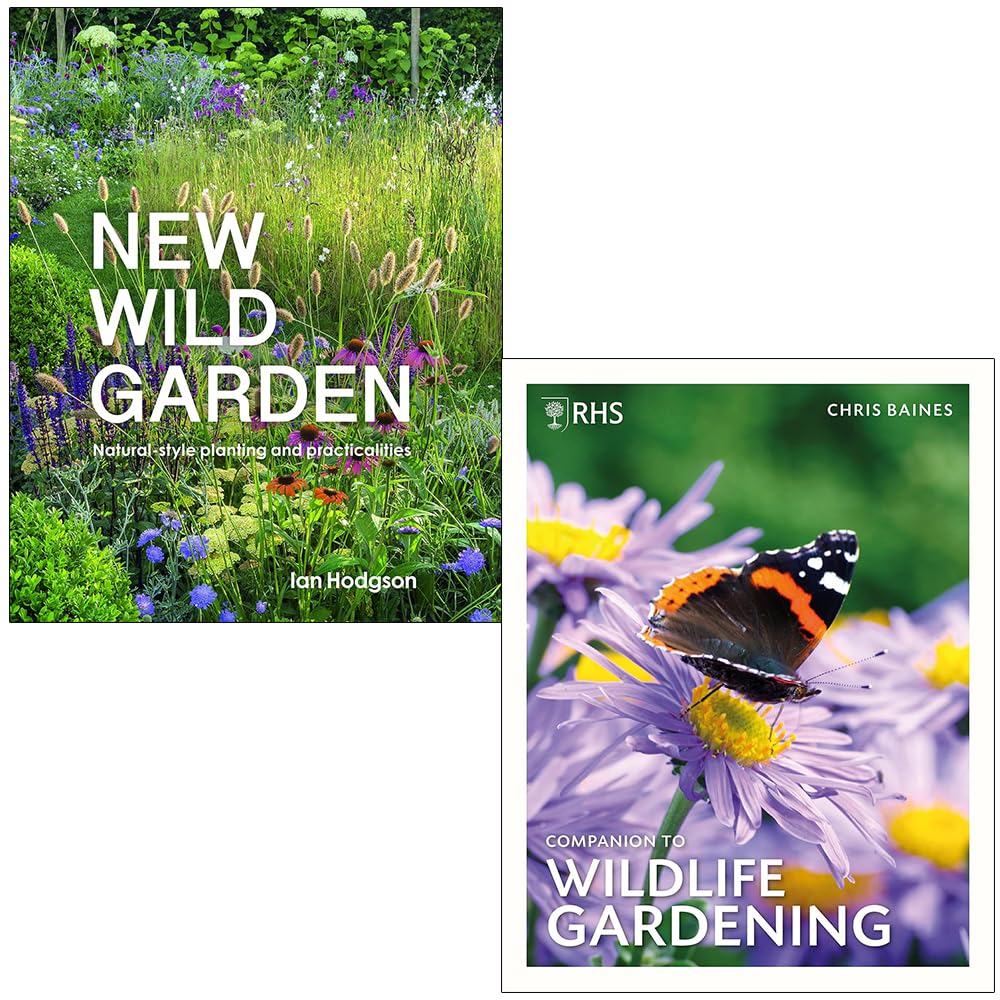
Frances Lincoln New Wild Garden & RHS Wildlife Gardening 2 Books Collection Set – Gardening Guide CollectionNew Wild Garden Natural-style planting and practicalities By Ian Hodgson & RHS Companion To Wildlife Gardening By Chris Baines 2 Books Collection Set: New Wild Garden: Natural-style planting and practicalities: The New Wild Garden combines new approaches to a more naturalistic design with the practical side of growing wildflowers and shows how to incorporate wildflowers, real meadows and a looser prarie-style planting into gardens and wild spaces.With serious concern into the decline of pollinators and habitats, meadows are currently the focus of enormous creativity. Gardeners, wildlife lovers, professional designers and seed manufacturers are all pushing the envelope of what can be grown, the pictorial effects that can be achieved, and the benefits that this provides for gardeners and wildlife. RHS Companion to Wildlife Gardening: This best-selling book was first published as How to Make a Wildlife Garden, and launched at the 1985 Chelsea Flower Show, making wildlife a mainstream issue for gardeners and the public. Now fully revised and updated by the author, this beautiful new freshly illustrated edition highlights the changes in garden wildlife over the past 35 years.Incorporating RHS research, updated best practice and addressing a multitude of controversial conservation issues, this stunning guide is also a celebration of the rich variety of wild plants and animals that can bring a beautiful garden to life.16,49 £*Shipping: 2,99 £Secure redirect to the provider
-
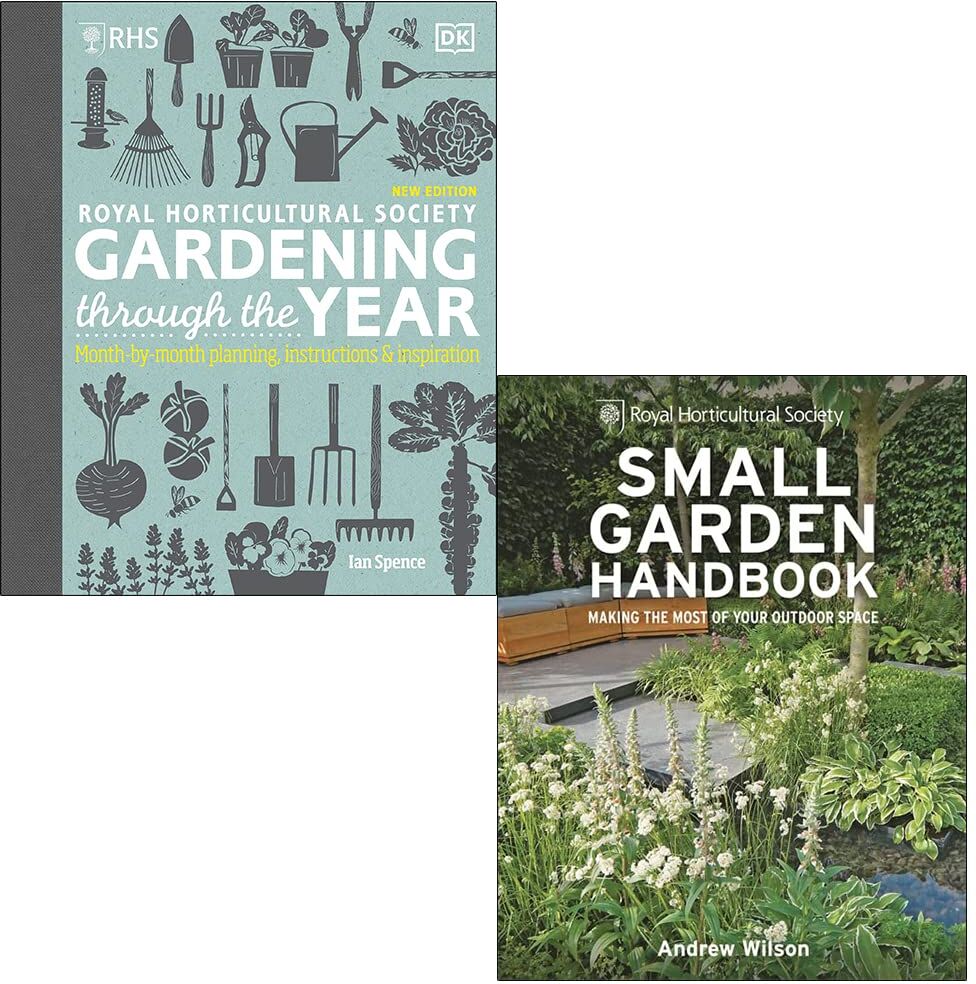
DK RHS Gardening Through the Year & Small Garden Handbook 2 Book Set – Seasonal Gardening & Design GuideRHS Gardening Through the Year By Ian Spence & RHS Small Garden Handbook By Andrew Wilson 2 Books Collection Set: RHS Gardening Through the Year: Find out when the best time is for pruning rose bushes, when your potatoes will be ready to harvest, how to keep your lawn green and well-fed, and learn how to plan ahead with this comprehensive gardening book. Keep on top of garden tasks with month-by-month chapters, "Last Chance" reminders, "Get Ahead" tips, and handy to-do lists. This RHS book will make gardening easier by providing helpful guidelines and realistic advice, so you can plan out your time efficiently and effectively. Packed with beautiful photo galleries that showcase each month's "Star Plant", you'll be inspired to have your own garden blooming throughout the year! Explore more than 350 different varieties in the A-Z illustrated plant directory. RHS Small Garden Handbook: RHS Small Garden Handbook provides an all-in-one guide for small space gardeners and draws on the experience in growing, planting, landscaping and design for which the RHS is world famous. It begins by explaining how to assess your plot so that you are aware of the soil, orientation, microclimate, existing materials and proportions that you have to work with, before revealing the principles of good design. Showing how your decisions on layout, colour and texture will affect the finished design and what tricks can be played to create a greater sense of space - with everything from expert design advice on boundaries, hedges and fences to clever ideas for containers and storage - every gardener will gain confidence in creating a garden to enjoy no matter how big the plot.19,95 £*Shipping: 2,99 £Secure redirect to the provider
-
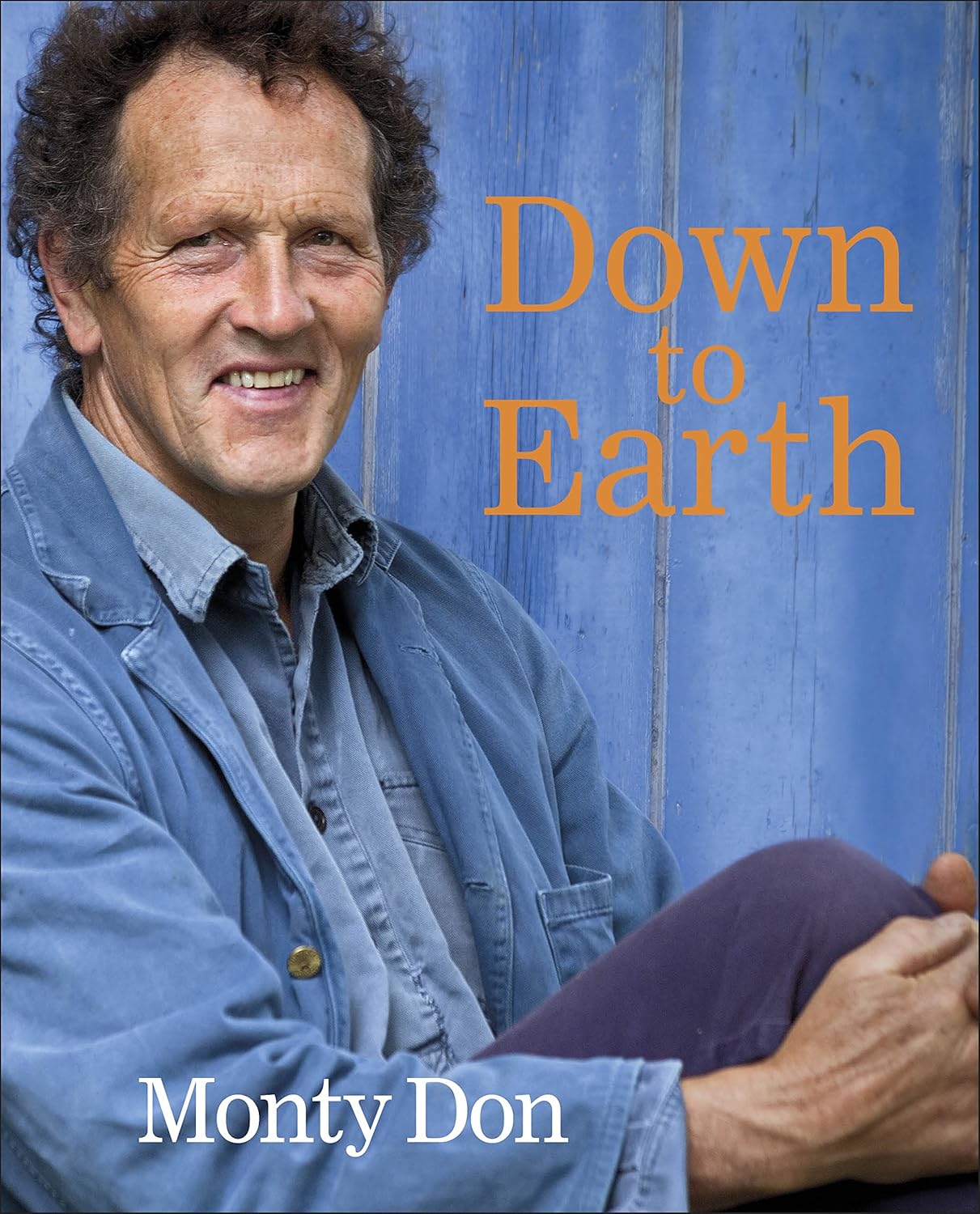
DK Down to Earth: Gardening Wisdom by Monty Don - Hardcover - Non Fiction Gardening Book - UK EditionDown to Earth: Gardening Wisdom by Monty Don is a thoughtful companion to gardening, written in the author's familiar voice. Monty Don distills fifty years of experience in his own garden at Longmeadow, sharing candid opinions on design, planting, and the satisfaction of growing things well. This hardcover book moves through the gardening year month by month, offering honest advice for gardeners of all levels. As the long-standing presenter of BBC's Gardeners' World, Monty Don brings a relaxed tone to the page, making this book a warm introduction for new gardeners and a browsable gift for those who already love being outdoors.11,99 £*Shipping: 2,99 £Secure redirect to the provider

-
Into which seven groups can invertebrates be divided?
Invertebrates can be divided into seven groups: Porifera (sponges), Cnidaria (jellyfish, corals), Platyhelminthes (flatworms), Nematoda (roundworms), Annelida (segmented worms), Mollusca (snails, clams, octopuses), and Arthropoda (insects, spiders, crustaceans). Each group has its own unique characteristics and includes a wide variety of species with diverse adaptations for survival. **
-
What do you do during a student internship in landscaping and gardening (gardening and landscaping/gardening)?
During a student internship in landscaping and gardening, you would typically assist with various tasks such as planting, weeding, watering, and pruning plants. You may also help with landscape design, installation of hardscape features, and maintenance of outdoor spaces. Additionally, you may have the opportunity to learn about soil preparation, pest control, and proper use of gardening tools and equipment. Overall, the internship provides hands-on experience in all aspects of landscaping and gardening, allowing you to gain valuable skills and knowledge in the field. **
-
What are the characteristics of vertebrates, invertebrates, and insects?
Vertebrates are animals with a backbone or spinal column, including mammals, birds, reptiles, amphibians, and fish. They typically have a well-developed internal skeleton and a complex nervous system. Invertebrates, on the other hand, are animals without a backbone, such as insects, arachnids, mollusks, and crustaceans. They often have exoskeletons for support and protection. Insects are a specific type of invertebrate characterized by having six legs, three body segments (head, thorax, and abdomen), and often wings. They are the most diverse group of animals on Earth, with over a million described species. **
-
Why are there mainly electrical synapses in fish and invertebrates?
Electrical synapses are more common in fish and invertebrates because they allow for faster and more direct communication between neurons. This is important in these organisms for rapid responses to environmental stimuli and for coordinating movements. Additionally, electrical synapses are more energy-efficient compared to chemical synapses, which is advantageous for organisms with simpler nervous systems. Overall, the prevalence of electrical synapses in fish and invertebrates reflects their need for efficient and rapid neural communication in their environments. **

What is the difference between the axons of vertebrates and invertebrates?
The main difference between the axons of vertebrates and invertebrates lies in their myelination. In vertebrates, axons are often myelinated, which means they are surrounded by a fatty substance that speeds up the transmission of electrical signals. In contrast, invertebrate axons are typically unmyelinated, which can result in slower signal transmission. Additionally, vertebrate axons tend to be larger in diameter compared to invertebrate axons, allowing for faster conduction of nerve impulses. **
How does the conduction of excitation work in vertebrates and invertebrates?
In vertebrates, excitation is conducted through the nervous system, which consists of neurons that transmit electrical signals. When a stimulus is detected, such as touch or sound, sensory neurons transmit the signal to the central nervous system, where it is processed and a response is generated. This response is then transmitted through motor neurons to the appropriate muscles or glands. In invertebrates, excitation is also conducted through the nervous system, but their nervous system is less centralized than in vertebrates. Invertebrates have a network of neurons that transmit signals throughout the body, allowing for rapid responses to stimuli. Some invertebrates, such as insects, also have specialized sensory organs that detect specific stimuli and transmit signals to the nervous system for processing and response. **
Top-Angebote
Products related to Invertebrates:
-
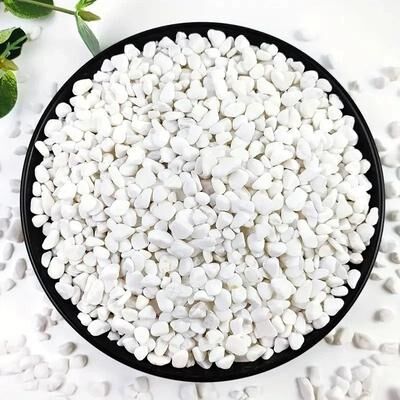
Uplift Essentials Polished Crystal Landscaping Pebbles 1 Lb Natural Mineral Gravel For Aquariums, Planters, & DIY Home Decor Polished Crystal Landscaping Pebbles 1 Lb Natural Mineral Gravel For Aquariums, Planters, & DIY Home Decor"Synchronize your sanctuary with the highdefinition, organic energy of our Polished Crystal Landscaping Pebbles. Featuring a highdensity 1 lb (450g) collection of natural mineral stones, this bulk set is designed to bring a ""geologicalluxe"" energy to..."69,97 $*Shipping: 0,00 $Secure redirect to the provider
-
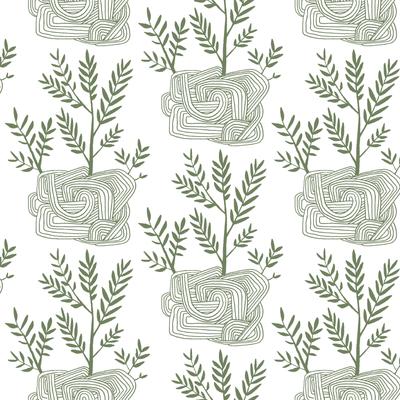
York Wallcoverings Green Seedlings Peel and Stick WallpaperPattern Seedlings is an earthy leaf and sprig depiction of the promise of coming springs. This Seedlings Peel & Stick Wallpaper measures approximately 20.5 inches wide by 20 feet long, covering About 34.2 square feet per roll.44,40 $*Shipping: 0,00 $Secure redirect to the provider
-
Ravensburger Gardening 100pc PuzzleUnleash your creativity and enjoy a delightful challenge with the Ravensburger Gardening 100pc Puzzle. This beautifully illustrated puzzle features a vibrant garden scene, perfect for gardening enthusiasts and puzzle lovers alike. Designed for both relaxation and entertainment, this collectible puzzle comes in a sturdy boxed edition. Ravensburger, a renowned brand for high-quality puzzles, has crafted this engaging 100-piece puzzle. The lush gardening scene brings nature indoors, providing a charming image to piece together. This puzzle is ideal for those looking to enhance their focus and concentration.11,22 £*Shipping: 3,95 £Secure redirect to the provider
-
Frances Lincoln New Wild Garden & RHS Wildlife Gardening 2 Books Collection Set – Gardening Guide CollectionNew Wild Garden Natural-style planting and practicalities By Ian Hodgson & RHS Companion To Wildlife Gardening By Chris Baines 2 Books Collection Set: New Wild Garden: Natural-style planting and practicalities: The New Wild Garden combines new approaches to a more naturalistic design with the practical side of growing wildflowers and shows how to incorporate wildflowers, real meadows and a looser prarie-style planting into gardens and wild spaces.With serious concern into the decline of pollinators and habitats, meadows are currently the focus of enormous creativity. Gardeners, wildlife lovers, professional designers and seed manufacturers are all pushing the envelope of what can be grown, the pictorial effects that can be achieved, and the benefits that this provides for gardeners and wildlife. RHS Companion to Wildlife Gardening: This best-selling book was first published as How to Make a Wildlife Garden, and launched at the 1985 Chelsea Flower Show, making wildlife a mainstream issue for gardeners and the public. Now fully revised and updated by the author, this beautiful new freshly illustrated edition highlights the changes in garden wildlife over the past 35 years.Incorporating RHS research, updated best practice and addressing a multitude of controversial conservation issues, this stunning guide is also a celebration of the rich variety of wild plants and animals that can bring a beautiful garden to life.16,49 £*Shipping: 2,99 £Secure redirect to the provider
-
How are the nerve cells structured in invertebrates?
In invertebrates, nerve cells are organized into a network called a nerve net. This nerve net consists of interconnected neurons that are spread throughout the body. These neurons are typically simpler in structure compared to the more specialized nerve cells found in vertebrates. The nerve net allows for rapid communication and coordination of responses to stimuli in invertebrates. **
-
What is the difference between vertebrates and invertebrates?
The main difference between vertebrates and invertebrates is the presence of a backbone. Vertebrates have a backbone made of vertebrae that protects the spinal cord, while invertebrates do not have a backbone. Vertebrates include animals such as mammals, birds, reptiles, amphibians, and fish, while invertebrates include animals such as insects, spiders, worms, and mollusks. Additionally, vertebrates tend to have more complex body systems and are generally larger in size compared to invertebrates. **
-
Into which seven groups can invertebrates be divided?
Invertebrates can be divided into seven groups: Porifera (sponges), Cnidaria (jellyfish, corals), Platyhelminthes (flatworms), Nematoda (roundworms), Annelida (segmented worms), Mollusca (snails, clams, octopuses), and Arthropoda (insects, spiders, crustaceans). Each group has its own unique characteristics and includes a wide variety of species with diverse adaptations for survival. **
-
What do you do during a student internship in landscaping and gardening (gardening and landscaping/gardening)?
During a student internship in landscaping and gardening, you would typically assist with various tasks such as planting, weeding, watering, and pruning plants. You may also help with landscape design, installation of hardscape features, and maintenance of outdoor spaces. Additionally, you may have the opportunity to learn about soil preparation, pest control, and proper use of gardening tools and equipment. Overall, the internship provides hands-on experience in all aspects of landscaping and gardening, allowing you to gain valuable skills and knowledge in the field. **
Similar search terms for Invertebrates
-
DK RHS Gardening Through the Year & Small Garden Handbook 2 Book Set – Seasonal Gardening & Design GuideRHS Gardening Through the Year By Ian Spence & RHS Small Garden Handbook By Andrew Wilson 2 Books Collection Set: RHS Gardening Through the Year: Find out when the best time is for pruning rose bushes, when your potatoes will be ready to harvest, how to keep your lawn green and well-fed, and learn how to plan ahead with this comprehensive gardening book. Keep on top of garden tasks with month-by-month chapters, "Last Chance" reminders, "Get Ahead" tips, and handy to-do lists. This RHS book will make gardening easier by providing helpful guidelines and realistic advice, so you can plan out your time efficiently and effectively. Packed with beautiful photo galleries that showcase each month's "Star Plant", you'll be inspired to have your own garden blooming throughout the year! Explore more than 350 different varieties in the A-Z illustrated plant directory. RHS Small Garden Handbook: RHS Small Garden Handbook provides an all-in-one guide for small space gardeners and draws on the experience in growing, planting, landscaping and design for which the RHS is world famous. It begins by explaining how to assess your plot so that you are aware of the soil, orientation, microclimate, existing materials and proportions that you have to work with, before revealing the principles of good design. Showing how your decisions on layout, colour and texture will affect the finished design and what tricks can be played to create a greater sense of space - with everything from expert design advice on boundaries, hedges and fences to clever ideas for containers and storage - every gardener will gain confidence in creating a garden to enjoy no matter how big the plot.19,95 £*Shipping: 2,99 £Secure redirect to the provider
-
DK Down to Earth: Gardening Wisdom by Monty Don - Hardcover - Non Fiction Gardening Book - UK EditionDown to Earth: Gardening Wisdom by Monty Don is a thoughtful companion to gardening, written in the author's familiar voice. Monty Don distills fifty years of experience in his own garden at Longmeadow, sharing candid opinions on design, planting, and the satisfaction of growing things well. This hardcover book moves through the gardening year month by month, offering honest advice for gardeners of all levels. As the long-standing presenter of BBC's Gardeners' World, Monty Don brings a relaxed tone to the page, making this book a warm introduction for new gardeners and a browsable gift for those who already love being outdoors.11,99 £*Shipping: 2,99 £Secure redirect to the provider
-
Palms Gold Metal Planters- Set of 2The Palms Gold Metal Planters- Set of 2 brings an elegant, sophisticated shimmer to your interior decor. This luxury set includes two nesting tabletop planters crafted from high-quality metal with a glamorous brushed gold finish. Each planter features a beautifully curved, organic silhouette enhanced by a finely hammered texture that catches the light from every angle. Perfect for styled sideboards, consoles, or shelves, they beautifully display your favorite indoor plants, succulents, or faux florals. Dimensions: W39.5 x D42 x H42cm129,00 £*Shipping: 4,99 £Secure redirect to the provider
-
DK How to Garden When You’re New to Gardening by Royal Horticultural Society – Beginner’s Guide to Gardening BasicsIf the desire to start a garden has been planted in your heart, then this essential guide is a wonderful companion to accompany you on your new adventure!If you're not sure of the first steps to take, this handbook takes the anxiety out of plotting and planting and equips you with all the know-how and confidence you need to get digging into your garden.Creating a garden that you can enjoy and keep looking beautiful all year round is easier than you think!With the expertise of the Royal Horticultural Society, you'll find simple step-by-step instructions, with clear images to help you create your dream garden, no matter the size and scale.Get to know your garden and choose plants that will grow well in particular soil types and conditions year after year. From growing root crop to cutting back ivy, this book gives you lots of simple garden ideas and projects that you can do yourself.Even if you've never sowed a seed or pulled a weed, RHS How to Garden When You're New To Gardening contains everything you need to kickstart your new outdoor hobby! This refreshingly accessible book is perfect for the novice gardener who wants to make the most of whatever garden they have.Your Guide to Creating the Garden of Your DreamsDo you want to create a garden you can show off with pride? Would you like to grow your own food? This book will get you started quickly! By following the simple steps and projects outlined in this book, you will reap instant rewards and long-term successes so that you can enjoy your garden in all seasons.Inside the pages of this comprehensive gardening book, you'll discover:- Clear definitions and descriptions of the different types of plants.- Tips on choosing the type of garden you want.- Easy-to-follow instructions for choosing the right plants for your soil.- Simple step-by-step instructions to producing your first crop.- Practical gardening advice on planting, growing, and caring for different plants.7,99 £*Shipping: 2,99 £Secure redirect to the provider
-
What are the characteristics of vertebrates, invertebrates, and insects?
Vertebrates are animals with a backbone or spinal column, including mammals, birds, reptiles, amphibians, and fish. They typically have a well-developed internal skeleton and a complex nervous system. Invertebrates, on the other hand, are animals without a backbone, such as insects, arachnids, mollusks, and crustaceans. They often have exoskeletons for support and protection. Insects are a specific type of invertebrate characterized by having six legs, three body segments (head, thorax, and abdomen), and often wings. They are the most diverse group of animals on Earth, with over a million described species. **
-
Why are there mainly electrical synapses in fish and invertebrates?
Electrical synapses are more common in fish and invertebrates because they allow for faster and more direct communication between neurons. This is important in these organisms for rapid responses to environmental stimuli and for coordinating movements. Additionally, electrical synapses are more energy-efficient compared to chemical synapses, which is advantageous for organisms with simpler nervous systems. Overall, the prevalence of electrical synapses in fish and invertebrates reflects their need for efficient and rapid neural communication in their environments. **
-
What is the difference between the axons of vertebrates and invertebrates?
The main difference between the axons of vertebrates and invertebrates lies in their myelination. In vertebrates, axons are often myelinated, which means they are surrounded by a fatty substance that speeds up the transmission of electrical signals. In contrast, invertebrate axons are typically unmyelinated, which can result in slower signal transmission. Additionally, vertebrate axons tend to be larger in diameter compared to invertebrate axons, allowing for faster conduction of nerve impulses. **
-
How does the conduction of excitation work in vertebrates and invertebrates?
In vertebrates, excitation is conducted through the nervous system, which consists of neurons that transmit electrical signals. When a stimulus is detected, such as touch or sound, sensory neurons transmit the signal to the central nervous system, where it is processed and a response is generated. This response is then transmitted through motor neurons to the appropriate muscles or glands. In invertebrates, excitation is also conducted through the nervous system, but their nervous system is less centralized than in vertebrates. Invertebrates have a network of neurons that transmit signals throughout the body, allowing for rapid responses to stimuli. Some invertebrates, such as insects, also have specialized sensory organs that detect specific stimuli and transmit signals to the nervous system for processing and response. **
* All prices are inclusive of VAT and, if applicable, plus shipping costs. The offer information is based on the details provided by the respective shop and is updated through automated processes. Real-time updates do not occur, so deviations can occur in individual cases. ** Note: Parts of this content were created by AI.