Buy semino.eu ?
We are moving the project
semino.eu .
Are you interested in purchasing the domain
semino.eu ?
domain@kv-gmbh.de · 0541-91531010
Buy semino.eu ?
What do you do during a student internship in landscaping and gardening (gardening and landscaping/gardening)?
During a student internship in landscaping and gardening, you would typically assist with various tasks such as planting, weeding, watering, and pruning plants. You may also help with landscape design, installation of hardscape features, and maintenance of outdoor spaces. Additionally, you may have the opportunity to learn about soil preparation, pest control, and proper use of gardening tools and equipment. Overall, the internship provides hands-on experience in all aspects of landscaping and gardening, allowing you to gain valuable skills and knowledge in the field. **
Who invented bacteria?
The discovery of bacteria is attributed to Dutch scientist Antonie van Leeuwenhoek. He is considered the "Father of Microbiology" and is credited with being the first person to observe and document bacteria using a microscope in the 17th century. **

Similar search terms for Bacteria
Top-Angebote
Products related to Bacteria:
-
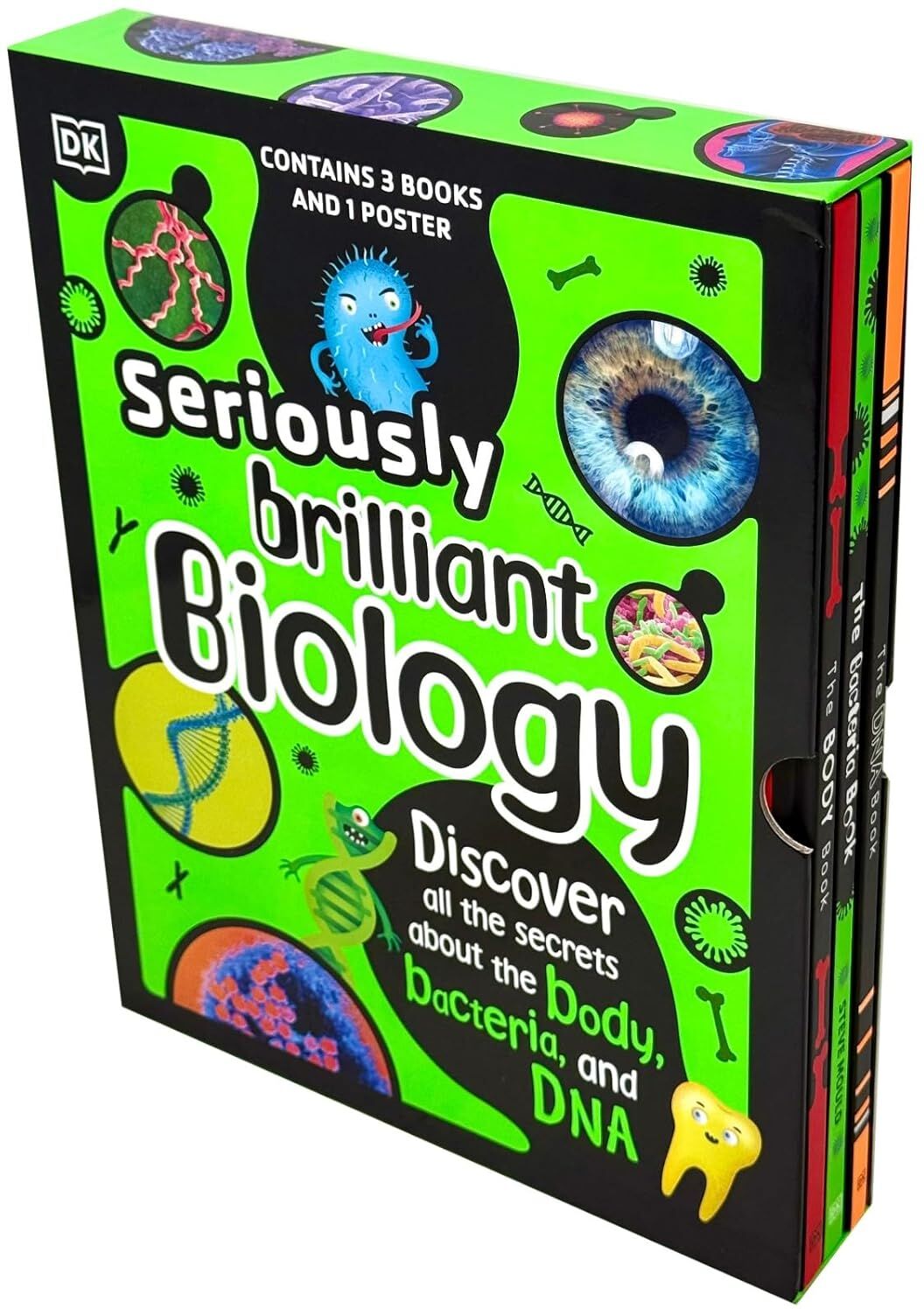
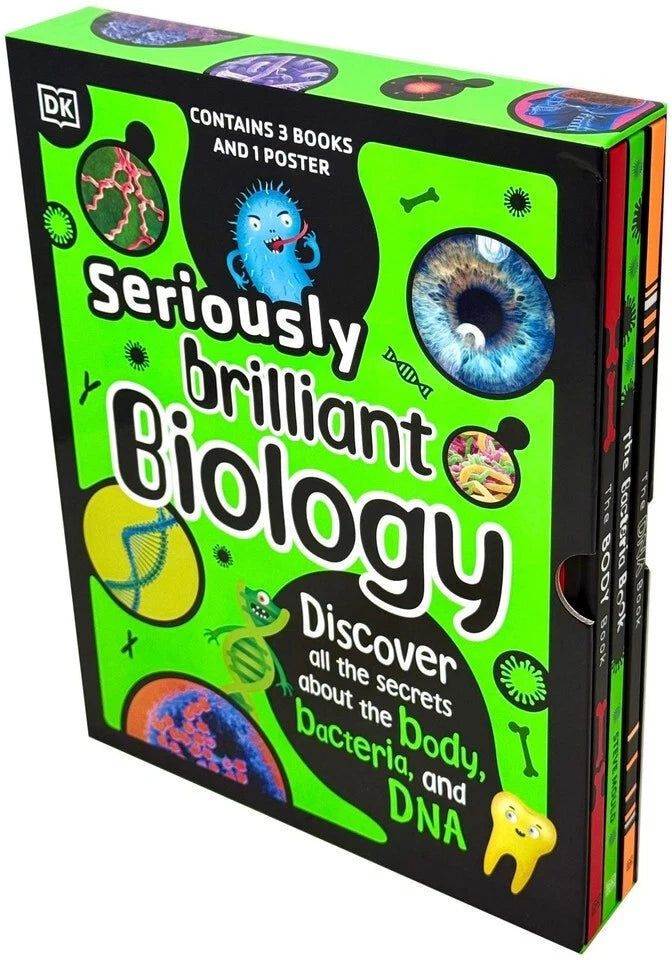
DK Seriously Brilliant Biology 3 Books Collection Set - The Body Book, The DNA Book & The Bacteria Book - Hardback - Ages 7-9 - Science Gift SetThe DK Seriously Brilliant Biology 3 Books Collection Set includes The Body Book, The DNA Book, and The Bacteria Book. Written for children aged 7-9, each title breaks down a big biological topic into bite-sized, illustrated chunks. The set covers human anatomy, genetics, and microbiology, making it a great addition to any home library or classroom shelf. The Body Book explores human anatomy, including the brain, skeleton, and immune system, while The DNA Book delves into the molecule found in every living thing. The Bacteria Book completes the set, offering a comprehensive look at microbiology. The books are written and reviewed by real science communicators, including bestselling author Steve Mould, to ensure accurate and engaging information for young scientists.12,99 £*Shipping: 2,99 £Secure redirect to the provider
-
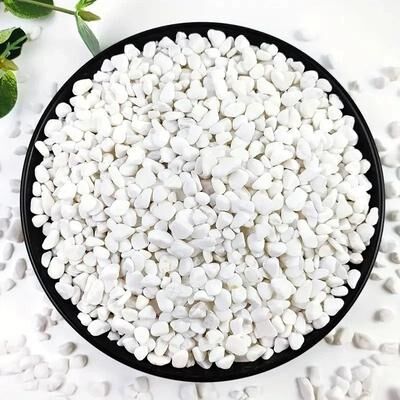
Uplift Essentials Polished Crystal Landscaping Pebbles 1 Lb Natural Mineral Gravel For Aquariums, Planters, & DIY Home Decor Polished Crystal Landscaping Pebbles 1 Lb Natural Mineral Gravel For Aquariums, Planters, & DIY Home Decor"Synchronize your sanctuary with the highdefinition, organic energy of our Polished Crystal Landscaping Pebbles. Featuring a highdensity 1 lb (450g) collection of natural mineral stones, this bulk set is designed to bring a ""geologicalluxe"" energy to..."69,97 $*Shipping: 0,00 $Secure redirect to the provider
-
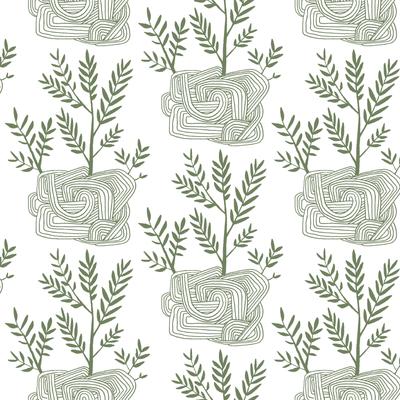
York Wallcoverings Green Seedlings Peel and Stick WallpaperPattern Seedlings is an earthy leaf and sprig depiction of the promise of coming springs. This Seedlings Peel & Stick Wallpaper measures approximately 20.5 inches wide by 20 feet long, covering About 34.2 square feet per roll.44,40 $*Shipping: 0,00 $Secure redirect to the provider
-
"Reese Pedestal Planters - 18"" - Grandin Road""Indoor/outdoor planter . Durable resin with carved stone look . Corrosion-, mold-, crack-resistant . Fits most Grandin Road urn fillers . Use with faux or live plants; 5/8"" drainage hole; optional rubber stopper included . Composite consists of..."175,20 $*Shipping: 29,95 $Secure redirect to the provider

-
Are bacteria protists?
No, bacteria are not protists. Bacteria are single-celled microorganisms that lack a nucleus and other membrane-bound organelles, and they belong to the domain Bacteria. On the other hand, protists are a diverse group of eukaryotic microorganisms that can be single-celled or multicellular, and they belong to the domain Eukarya. Therefore, bacteria and protists are two distinct groups of microorganisms with different characteristics and evolutionary histories. **
-
Which bacteria form endospores?
Certain bacteria, such as Bacillus and Clostridium, are known to form endospores. These endospores are a dormant, tough, and non-reproductive structure that allows the bacteria to survive in harsh conditions, such as extreme temperatures, high levels of radiation, or lack of nutrients. Endospore formation is a survival mechanism for these bacteria, allowing them to remain viable until conditions become more favorable for growth and reproduction. **
-
Are these bacteria dangerous?
The bacteria mentioned in the text, Pseudomonas aeruginosa, can be dangerous for individuals with weakened immune systems or underlying health conditions. In healthy individuals, it may not cause any harm. However, if left untreated, Pseudomonas aeruginosa infections can lead to serious complications, especially in hospital settings where it can cause healthcare-associated infections. It is important to seek medical attention if you suspect an infection with this bacteria. **
-
When are bacteria useful?
Bacteria are useful in various ways, such as in the production of food and beverages (e.g., yogurt, cheese, and beer), in the decomposition of organic matter, in the nitrogen cycle, in bioremediation processes, and in the production of antibiotics and other pharmaceuticals. Additionally, bacteria play a crucial role in our digestive system by aiding in the breakdown of food and the absorption of nutrients. **


How can bacteria survive?
Bacteria can survive in various ways, including forming spores that are resistant to harsh conditions, developing antibiotic resistance through genetic mutations, and forming biofilms that protect them from environmental stress. Additionally, bacteria can adapt to different environments by utilizing various metabolic pathways to obtain nutrients and energy. Some bacteria can also exchange genetic material through horizontal gene transfer, allowing them to acquire new traits that help them survive in changing conditions. **
How do bacteria feed?
Bacteria feed by absorbing nutrients from their environment through a process called diffusion. They release enzymes that break down complex molecules into simpler forms that can be easily absorbed. Some bacteria are able to engulf food particles through a process called phagocytosis. Overall, bacteria have diverse feeding strategies and can utilize a wide range of organic and inorganic compounds for their nutrition. **
Top-Angebote
Products related to Bacteria:
-
DK Children DK Seriously Brilliant Biology 3 Books Box Set and 1 Poster (The Body Book, The DNA Book and The Bacteria Book)The Body Book: It's inside every living plant and animal, from the tiniest seed to the person standing next to you, but how much do you know about DNA? This book gives children an in-depth look at DNA and its role in all living things--from why we have different-colored eyes to why we age. Discover what DNA is, what it does, and how it shapes our lives, including inheritance and why we look like our parents; forensic science and how DNA evidence helps catch criminals; and genetic engineering and if we could bring dinosaurs back to life. With fun illustrated DNA characters, clear diagrams, and astonishing photographs, children will love learning about themselves and this all-important molecule. The Body Book : Your body is awe-inspiring, amazing and miraculous. Your heart pumps blood all around your body to keep you alive and carry you around every single day. It keeps you alive and carries you around every day. But how much do you really know about what's going on beneath the surface? Jump on board as DK takes you on a fun-filled journey under your skin, through your insides, and back in time to explore milestones in medicine and the latest scientific discoveries about the human body. Are you coming? The Bacteria Book: What do glowing squid, mouldy bread, and soil creatures all have in common? They're all part of the world of microbiology! In this awesome introductory book for budding scientists, the big world of tiny organisms is revealed with remarkable photography, kooky characters, and lots of fun facts.12,99 £*Shipping: 2,99 £Secure redirect to the provider
-
DK Seriously Brilliant Biology 3 Books Collection Set - The Body Book, The DNA Book & The Bacteria Book - Hardback - Ages 7-9 - Science Gift SetThe DK Seriously Brilliant Biology 3 Books Collection Set includes The Body Book, The DNA Book, and The Bacteria Book. Written for children aged 7-9, each title breaks down a big biological topic into bite-sized, illustrated chunks. The set covers human anatomy, genetics, and microbiology, making it a great addition to any home library or classroom shelf. The Body Book explores human anatomy, including the brain, skeleton, and immune system, while The DNA Book delves into the molecule found in every living thing. The Bacteria Book completes the set, offering a comprehensive look at microbiology. The books are written and reviewed by real science communicators, including bestselling author Steve Mould, to ensure accurate and engaging information for young scientists.12,99 £*Shipping: 2,99 £Secure redirect to the provider
-
Uplift Essentials Polished Crystal Landscaping Pebbles 1 Lb Natural Mineral Gravel For Aquariums, Planters, & DIY Home Decor Polished Crystal Landscaping Pebbles 1 Lb Natural Mineral Gravel For Aquariums, Planters, & DIY Home Decor"Synchronize your sanctuary with the highdefinition, organic energy of our Polished Crystal Landscaping Pebbles. Featuring a highdensity 1 lb (450g) collection of natural mineral stones, this bulk set is designed to bring a ""geologicalluxe"" energy to..."69,97 $*Shipping: 0,00 $Secure redirect to the provider
-
What do you do during a student internship in landscaping and gardening (gardening and landscaping/gardening)?
During a student internship in landscaping and gardening, you would typically assist with various tasks such as planting, weeding, watering, and pruning plants. You may also help with landscape design, installation of hardscape features, and maintenance of outdoor spaces. Additionally, you may have the opportunity to learn about soil preparation, pest control, and proper use of gardening tools and equipment. Overall, the internship provides hands-on experience in all aspects of landscaping and gardening, allowing you to gain valuable skills and knowledge in the field. **
-
Who invented bacteria?
The discovery of bacteria is attributed to Dutch scientist Antonie van Leeuwenhoek. He is considered the "Father of Microbiology" and is credited with being the first person to observe and document bacteria using a microscope in the 17th century. **
-
Are bacteria protists?
No, bacteria are not protists. Bacteria are single-celled microorganisms that lack a nucleus and other membrane-bound organelles, and they belong to the domain Bacteria. On the other hand, protists are a diverse group of eukaryotic microorganisms that can be single-celled or multicellular, and they belong to the domain Eukarya. Therefore, bacteria and protists are two distinct groups of microorganisms with different characteristics and evolutionary histories. **
-
Which bacteria form endospores?
Certain bacteria, such as Bacillus and Clostridium, are known to form endospores. These endospores are a dormant, tough, and non-reproductive structure that allows the bacteria to survive in harsh conditions, such as extreme temperatures, high levels of radiation, or lack of nutrients. Endospore formation is a survival mechanism for these bacteria, allowing them to remain viable until conditions become more favorable for growth and reproduction. **
Similar search terms for Bacteria
-
York Wallcoverings Green Seedlings Peel and Stick WallpaperPattern Seedlings is an earthy leaf and sprig depiction of the promise of coming springs. This Seedlings Peel & Stick Wallpaper measures approximately 20.5 inches wide by 20 feet long, covering About 34.2 square feet per roll.44,40 $*Shipping: 0,00 $Secure redirect to the provider
-
"Reese Pedestal Planters - 18"" - Grandin Road""Indoor/outdoor planter . Durable resin with carved stone look . Corrosion-, mold-, crack-resistant . Fits most Grandin Road urn fillers . Use with faux or live plants; 5/8"" drainage hole; optional rubber stopper included . Composite consists of..."175,20 $*Shipping: 29,95 $Secure redirect to the provider
-
"Kiran Pedestal Planters - 24"" - Grandin Road"Indoor/outdoor planter . Durable, lightweight cast fiberstone . Weathered stone finish . Corrosion, mold, & crack-resistant . Sized to fit Grandin Road urn fillers . Inspired by twentieth century European urns . Original, fluted-style casting;...191,20 $*Shipping: 29,95 $Secure redirect to the provider
-
York Wallcoverings Grey Seedlings Peel and Stick WallpaperPattern Seedlings is an earthy leaf and sprig depiction of the promise of coming springs. This Seedlings Peel & Stick Wallpaper measures approximately 20.5 inches wide by 20 feet long, covering About 34.2 square feet per roll.51,49 $*Shipping: 0,00 $Secure redirect to the provider
-
Are these bacteria dangerous?
The bacteria mentioned in the text, Pseudomonas aeruginosa, can be dangerous for individuals with weakened immune systems or underlying health conditions. In healthy individuals, it may not cause any harm. However, if left untreated, Pseudomonas aeruginosa infections can lead to serious complications, especially in hospital settings where it can cause healthcare-associated infections. It is important to seek medical attention if you suspect an infection with this bacteria. **
-
When are bacteria useful?
Bacteria are useful in various ways, such as in the production of food and beverages (e.g., yogurt, cheese, and beer), in the decomposition of organic matter, in the nitrogen cycle, in bioremediation processes, and in the production of antibiotics and other pharmaceuticals. Additionally, bacteria play a crucial role in our digestive system by aiding in the breakdown of food and the absorption of nutrients. **
-
How can bacteria survive?
Bacteria can survive in various ways, including forming spores that are resistant to harsh conditions, developing antibiotic resistance through genetic mutations, and forming biofilms that protect them from environmental stress. Additionally, bacteria can adapt to different environments by utilizing various metabolic pathways to obtain nutrients and energy. Some bacteria can also exchange genetic material through horizontal gene transfer, allowing them to acquire new traits that help them survive in changing conditions. **
-
How do bacteria feed?
Bacteria feed by absorbing nutrients from their environment through a process called diffusion. They release enzymes that break down complex molecules into simpler forms that can be easily absorbed. Some bacteria are able to engulf food particles through a process called phagocytosis. Overall, bacteria have diverse feeding strategies and can utilize a wide range of organic and inorganic compounds for their nutrition. **
* All prices are inclusive of VAT and, if applicable, plus shipping costs. The offer information is based on the details provided by the respective shop and is updated through automated processes. Real-time updates do not occur, so deviations can occur in individual cases. ** Note: Parts of this content were created by AI.